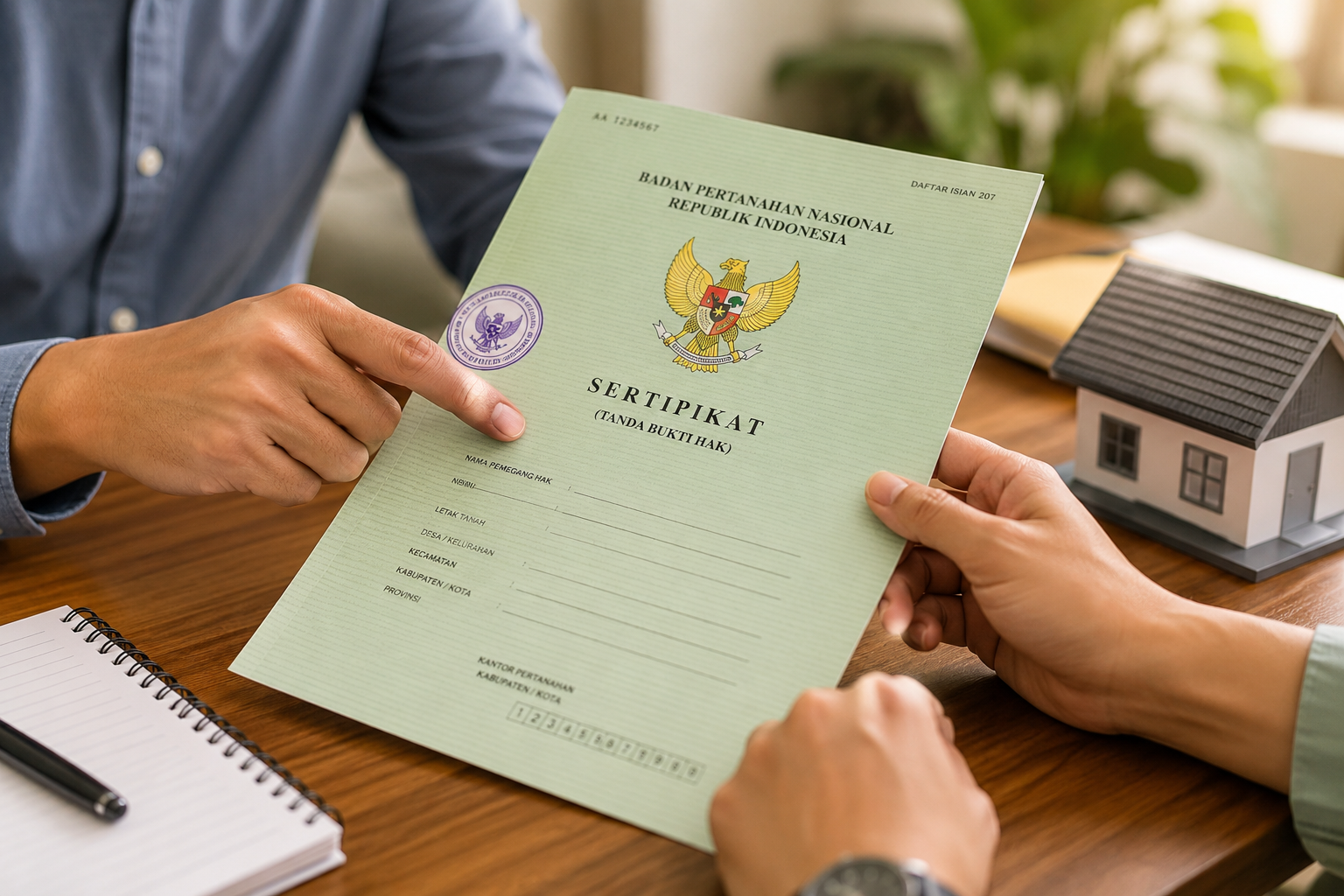
5 Important Details in a Land Certificate That Should Be Updated Before Selling Property
Check it out,
Many property transactions are delayed because the information in the land certificate no longer matches current conditions. Check these five important details before selling your property.
“My Land Certificate Is Safe. I Keep It Stored Properly.”
This is a common response from property owners when asked about the condition of their land documents.
However, a land certificate that is physically well-preserved does not necessarily mean that the information it contains is still accurate and up to date.
Many issues only come to light when the owner decides to sell a property, apply for a mortgage, transfer ownership, or process other property-related transactions. At that stage, discrepancies in the certificate often require additional administrative adjustments before the transaction can proceed.
1. The Owner’s Name No Longer Matches Current Identification Documents
Changes in spelling, updates to civil registration records, or adjustments to personal identification details may result in differences between the name stated on the land certificate and the owner’s current identification documents.
Even minor discrepancies often require clarification during a property transaction.
2. The Certificate Is Still Registered Under a Deceased Family Member’s Name
This is one of the most common situations encountered in practice.
As long as the property remains unused for transactions, the issue may go unnoticed.
However, when the property is about to be sold or transferred, inheritance-related administrative procedures often need to be completed first.
3. The Land Area Has Changed
Subdivision, consolidation, or changes to property boundaries may result in the information recorded in the certificate no longer reflecting the actual condition of the land.
Updating the records early can help simplify future administrative processes.
4. The Property Address Is No Longer Accurate
Changes in street names, house numbers, administrative districts, or urban development projects can cause previously recorded address information to become outdated.
Although this may appear to be a minor issue, it often raises questions during document verification.
5. Marital Status Information Is No Longer Consistent
Accurate and consistent administrative records can help facilitate various property-related processes.
For this reason, it is important to ensure that all supporting documents reflect the owner’s current circumstances.
Conclusion
A land certificate is not a document that should simply be stored away and forgotten. Property owners should periodically review their documents to ensure that the information remains accurate and relevant.
This simple step can help prevent administrative obstacles and delays when the property is eventually sold, transferred, or used in future transactions.
Disclaimer: This article is prepared for general legal information and educational purposes only. Regulations may change from time to time in accordance with applicable policies. For specific legal advice or case handling, please consult a legal professional.